
Concrete surfaces like driveways, sidewalks, and patios are often subject to settling or sinking over time due to soil movement, moisture, or other factors. Fortunately, concrete leveling services can restore the surface to its original position without the cost of replacing the entire slab. There are a few methods available, each with its own pros and cons. We’ve put together a little guide to help you decide which method might be suitable for your needs.
Concrete Leveling Method #1: Polyjacking (Polyurethane Foam Injection)
Polyjacking, also known as polyurethane foam injection, is a modern and highly effective method for concrete leveling. It involves injecting a high-density polyurethane foam beneath the sunken slab. Once injected, the foam expands, lifting the concrete back into position and hardening to provide a stable, long-lasting foundation.
Advantages:
- Quick and Clean: Polyurethane foam cures quickly (just 15 minutes) so you can get back to using your surface faster. Additionally, the process is clean with minimal mess.
- Lightweight: Unlike other methods, polyjacking doesn’t add weight to the underlying soil, reducing the risk of future settling.
- Durability: The foam is moisture-resistant and won’t degrade over time like mudjacking materials, which makes it the longer-lasting solution. When done properly, concrete leveling with polyjacking can last twenty years or more.
- The foam is also eco-friendly: once cured, it will not degrade or leach into the soil and it poses no harm to animals, who avoid chewing through it or trying to nest in it (another bonus). Furthermore, you avoid the hundreds of pounds of waste that occur when old slabs are demolished to pour completely new ones.
- Precision: Polyjacking allows for precise control in lifting the concrete, which guarantees a smooth, even surface.
- Minimal Disruption: No loud drilling or the weeks of cure time it would take to pour new concrete. Plus, the holes drilled are only around the size of a dime and are hardly noticeable once filled in.
Potential Drawbacks:
None! Well, okay, we may be a little biased. It is true that concrete leveling via polyjacking can be slightly more expensive up front, but we feel strongly that the small uptick in price is more than made up for in the long run. No other method is guaranteed to last as long or be ready to use as quickly. That fast cure time alone can make all the difference, especially in commercial operations (like warehouse floors) where time is money.
Concrete Leveling Method #2: Mudjacking (Slabjacking)
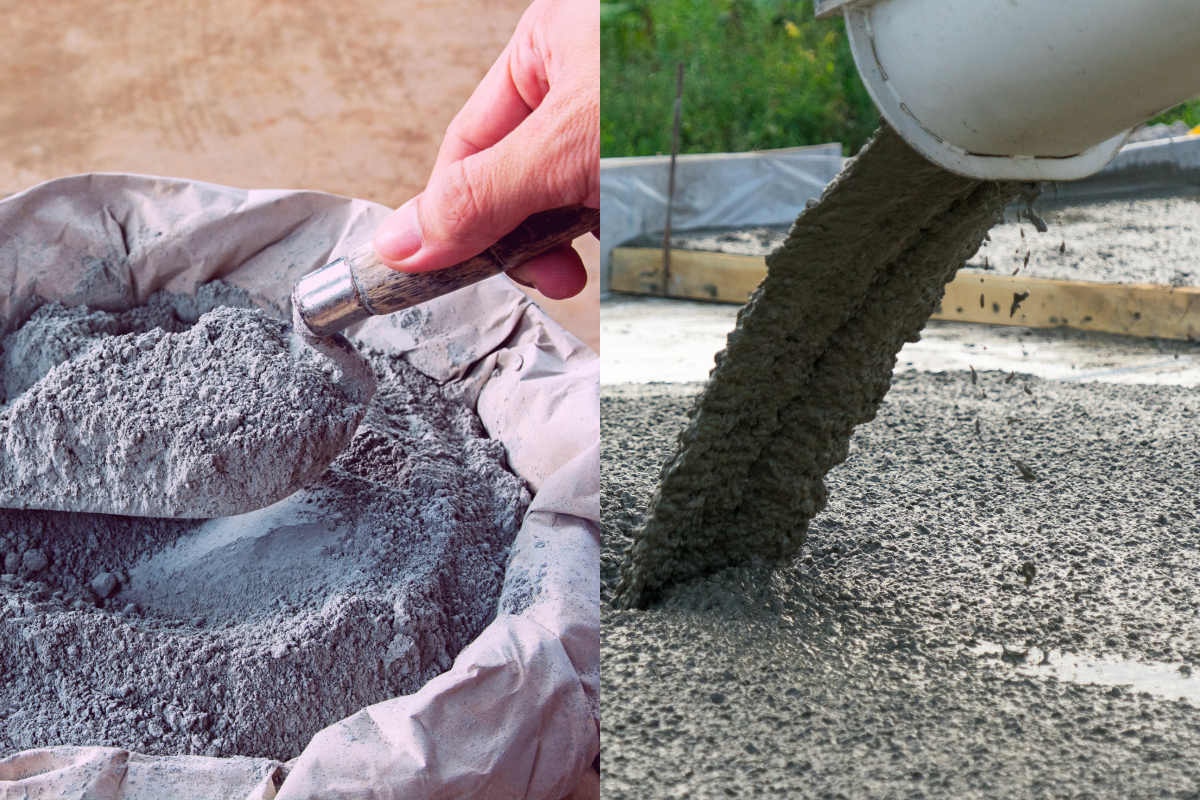
Mudjacking, also known as slabjacking, is a traditional method for concrete leveling. It involves injecting a mixture of sand, cement, and water (slurry) under the concrete. The slurry fills the voids beneath the slab and pushes it back into place.
Advantages:
- Lower Initial Cost: Mudjacking is typically less expensive than polyjacking, making it a more budget-friendly option for some homeowners.
- Less Specialized: Because it is an older, “tried-and-true” concrete leveling technique, it may be easier to locate a contractor trained in this method.
Disadvantages:
- Heavy and Risk of Future Settling: The slurry mixture is heavy and can add extra weight to the soil beneath the slab, potentially leading to further settling.
- Less Durable: Even in the best case scenario, mudjacking will only last ten years or so (half the lifespan of polyjacked concrete). This is because the material is not completely waterproof and will, eventually, start to wash away or erode.
- Longer Cure Time: It can take up to 24-48 hours for the slurry to fully cure, meaning you may not be able to use your surface right away.
- Messier Process: Mudjacking requires larger holes to inject the slurry, which can create more disruption and mess.
Concrete Leveling Method #3: Stone Slurry Grout (Limestone Slurry)
Stone slurry, also known as limestone slurry, is another method used to level concrete. Similar to mudjacking, this method involves injecting a mixture of stone or limestone dust combined with water under the concrete.
Advantages:
- Cost-Effective: Like mudjacking, stone slurry is generally a lower-cost option.
- Proven Method: Stone slurry has been used in concrete leveling for years, offering a time-tested solution.
Disadvantages:
- Heavy and Less Stable: Like mudjacking, stone slurry adds weight to the slab and may contribute to further sinking over time.
- Not Always Feasible: The hose used to inject the slurry has a limited reach, and it must be attached to the truck where the mixture is housed. That means the truck and hose need to be parked close to the surface to be lifted, and this is not always possible.
- Messier Process: Stone slurry also requires larger injection holes and creates more mess compared to polyjacking.
Minnesota Concrete Leveling
In the end, polyjacking offers a superior, long-term fix for concrete leveling. Its durability, precision, and quick cure time make it an excellent choice for homeowners and businesses looking to restore their concrete surfaces. We proudly serve Minnesota and the surrounding areas with our premium polyjacking services. Call today for your hassle-free quote on the most durable solution for your concrete.